History Guide
Ybor City: How Tampa Became Cigar City
Ybor City, now part of Tampa, was founded in 1885 by cigar manufacturer Vicente Martinez-Ybor; its first cigar was rolled on April 13, 1886, and by 1929 its factories made about 500 million hand-rolled cigars a year.
Updated · Cigars Americas Editorial Team
Read About El Lector →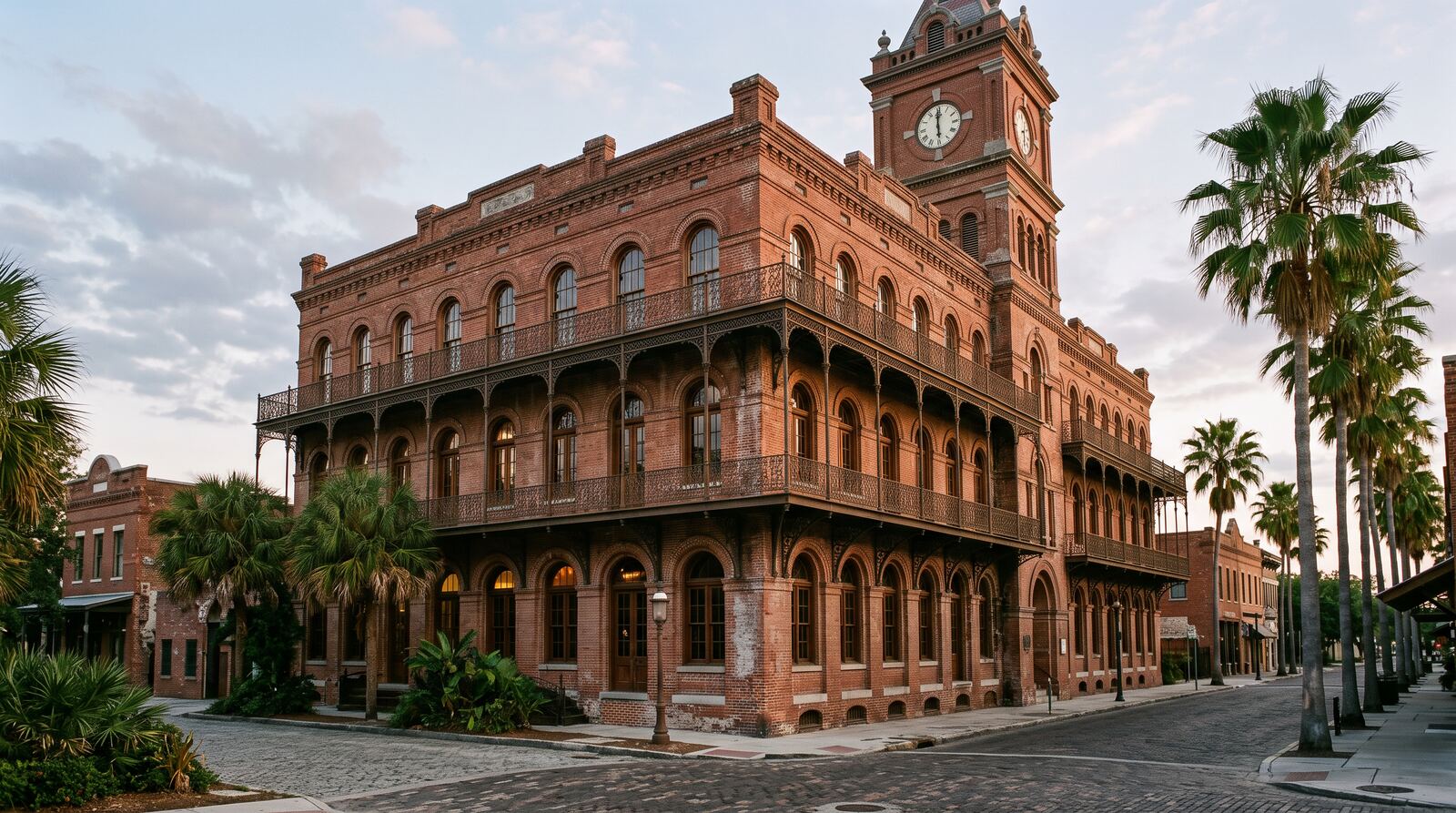
For more than half a century, Tampa was "Cigar City," and its cigar heart was Ybor City. Built by Cuban, Spanish and Italian immigrants, it was one of the great manufacturing towns of the American South, and its brick factories still stand today.
Shop now (affiliate link, 21+): J.C. Newman and Arturo Fuente at Famous Smoke Shop.
From Havana to Key West
Vicente Martinez-Ybor, a Spanish-born cigar maker, ran factories in Havana before political turmoil during Cuba's independence struggles pushed him to move. Like other manufacturers he went first to Key West, which in the 1870s and early 1880s was a major cigar center. High costs and labor disputes there led him to look for a new home.
Why Tampa?
Tampa offered several advantages. It was close to Cuba, so tobacco could be imported cheaply and quickly. Its warm, humid climate kept leaf supple for rolling. And Henry Plant's new railroad could carry finished cigars to markets across the United States. In 1885 Martinez-Ybor and fellow manufacturer Ignacio Haya bought land northeast of Tampa and began building a company town.
The First Cigar
The first Ybor City cigar was produced on April 13, 1886. Tampa annexed Ybor City in 1887, and other manufacturers soon followed. Workers poured in from Cuba, Spain and Italy, building a multicultural community with mutual aid societies, social clubs, newspapers and its own culture.
Peak Production
By the 1920s Ybor City had hundreds of cigar businesses and tens of thousands of residents. In 1929 its factories produced about 500 million hand-rolled cigars. The workers' skills and the Cuban leaf they used made "clear Havana" Tampa cigars famous across the country.
José Martí and Cuban Independence
Ybor City was also a center of the Cuban independence movement. José Martí visited many times to raise support, and an 1893 speech he gave from the steps of a cigar factory was widely reprinted. Cigar workers donated part of their wages to the cause, and some fought in the war that followed.
The Lectors and the Unions
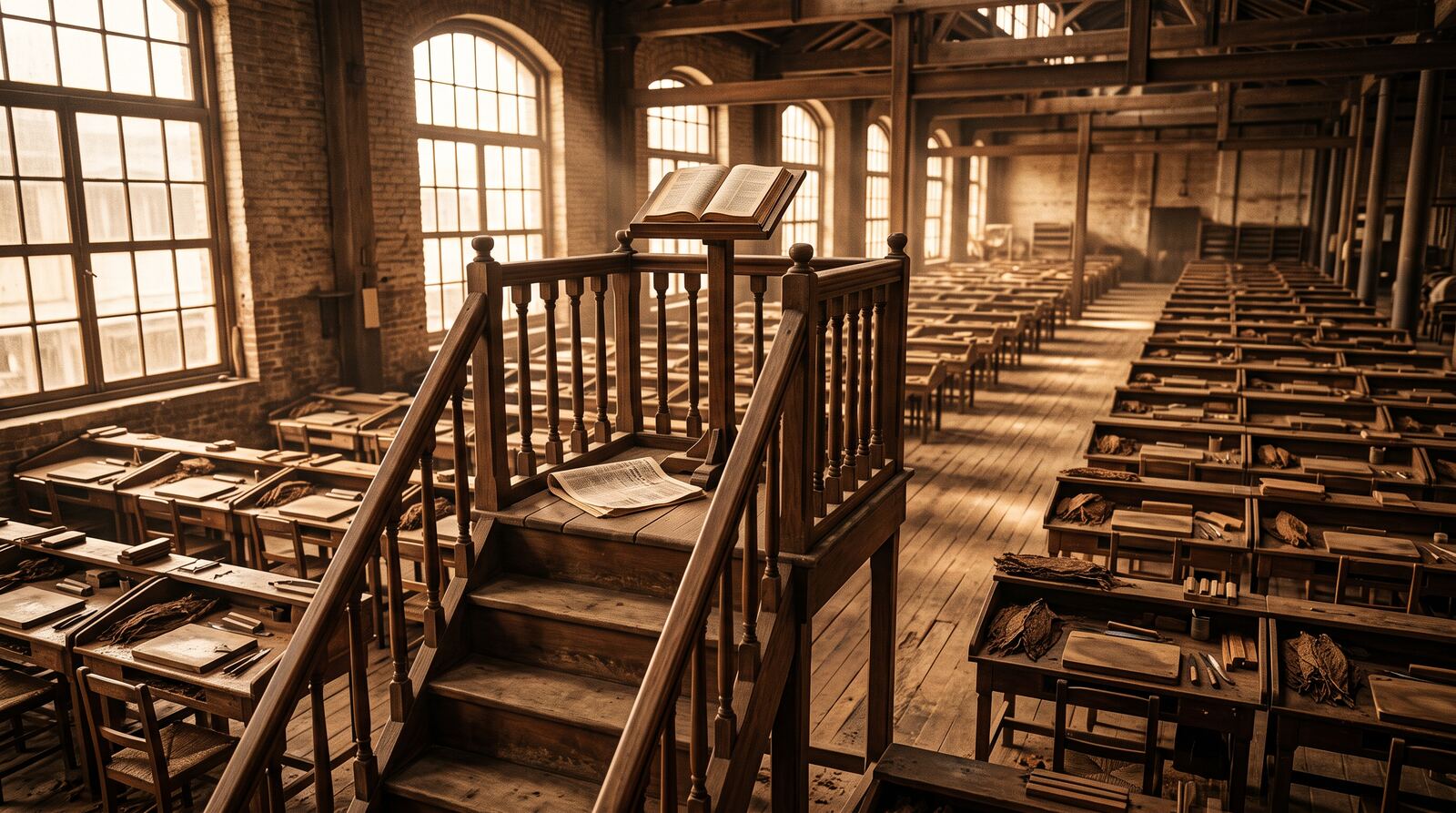
Ybor's factories employed lectors, readers paid by the workers to read news and literature aloud. They also became centers of labor organizing. After the cigar makers' strike of 1931, the manufacturers removed the readers, ending the tradition in the United States. Read the full story in El Lector.
Decline
The Great Depression cut demand for premium cigars, and cigar-rolling machines and cheaper cigarettes replaced many hand rollers. After World War II many families moved away, and urban renewal and the construction of Interstate 4 demolished much of the old neighborhood. The 1962 U.S. embargo on Cuban goods ended the supply of Cuban leaf.
Key West Before Tampa
Before Tampa, Key West was the leading cigar town in Florida. Its factories employed thousands of Cuban workers, but a devastating fire in 1886, labor strife and the island's isolation pushed many manufacturers north to Tampa.
Ybor City Today
Today Ybor City is a historic district and entertainment area with restaurants, clubs and museums. Several historic factory buildings survive, and a handful of shops still roll cigars by hand. The Ybor City Museum State Park tells the story of the neighborhood and its workers.
Where to buy (affiliate link): Tampa's cigar heritage lives on in brands with Ybor City roots, including J.C. Newman and Arturo Fuente, both at Famous Smoke Shop. Famous Smoke Shop is a licensed U.S. retailer that requires customers to be 21 or older. If you buy through this link we may earn a commission at no extra cost to you. Affiliate disclosure.
Frequently Asked Questions
Who founded Ybor City?
Cigar manufacturer Vicente Martinez-Ybor, with Ignacio Haya and others, in 1885.
When was the first Ybor City cigar made?
On April 13, 1886.
Why is Tampa called Cigar City?
Because Ybor City's factories made it one of the largest cigar-producing cities in the world, about 500 million cigars in 1929.
Why did cigar makers move to Tampa?
Its proximity to Cuba, humid climate and Henry Plant's railroad to U.S. markets.
Why did Ybor City's cigar industry decline?
The Great Depression, mechanization, postwar migration, urban renewal and the 1962 embargo on Cuban goods.