History Guide
El Lector: The Readers of the Cigar Factory
A lector is a reader hired by cigar factory workers to read newspapers and books aloud while they roll; the tradition began in Cuba in 1865, spread to Florida, ended in the U.S. after 1931, and continues in Cuba today.
Updated · Cigars Americas Editorial Team
Back to the History →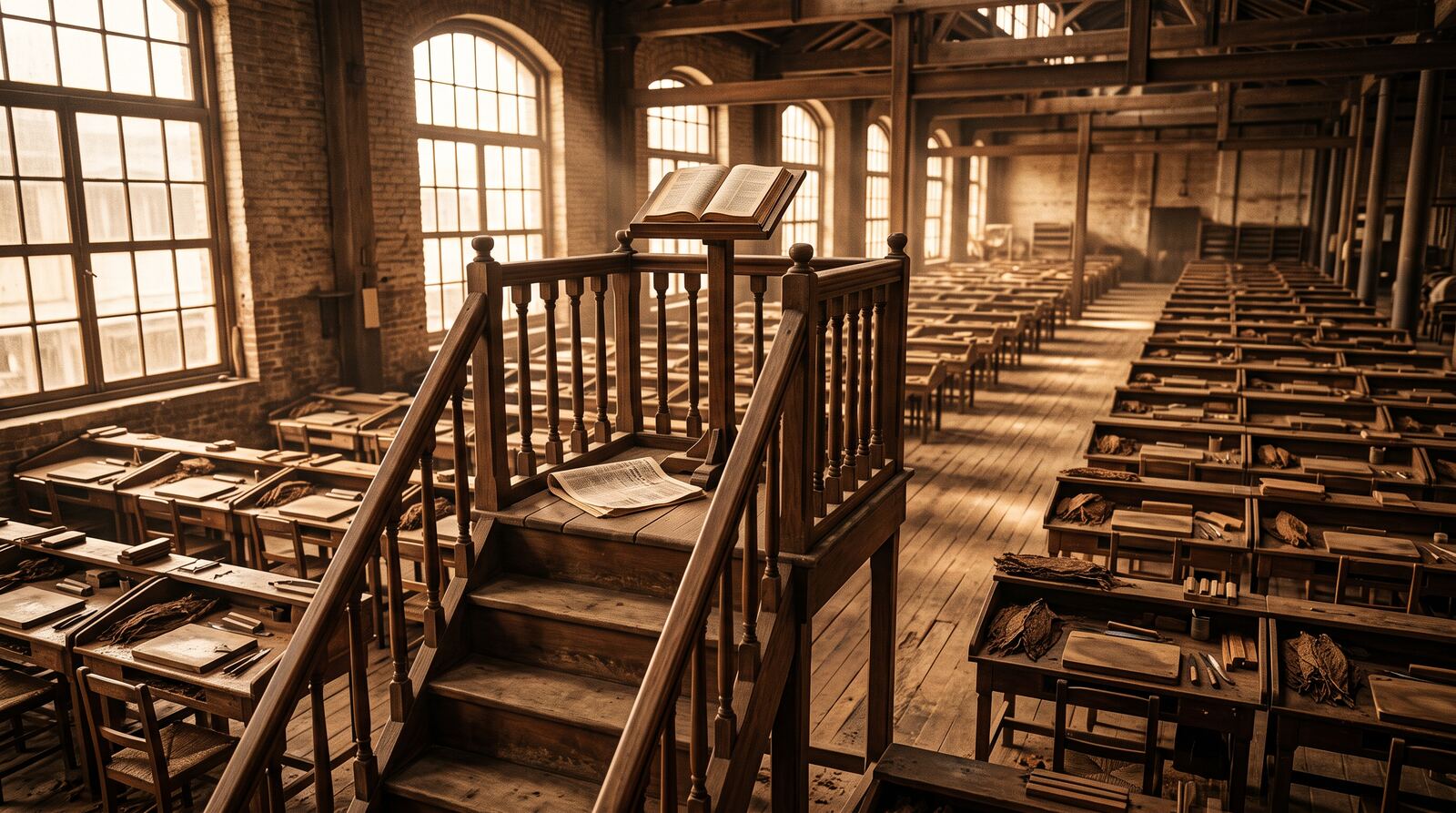
Imagine a long room filled with rows of wooden tables, the scent of tobacco and the quiet rhythm of rollers at work. Above them, on a raised platform, a single voice reads the morning news, then a chapter of a novel. That voice belongs to el lector, one of the most remarkable traditions in industrial history.
Origins in Cuba
The practice of reading aloud in cigar factories began in Cuba in 1865. Rolling cigars is skilled but repetitive work, and workers wanted something to occupy their minds. The tradition is often traced to the El Fígaro factory in Havana, and it spread quickly through Cuba's cigar industry.
Paid by the Workers
Lectors were not hired by the factory owners. They were chosen and paid by the workers themselves, who each contributed a small part of their wages. The workers also voted on what would be read, from newspapers and political essays to novels.
What They Read
A typical day might begin with local and international news and continue with serialized literature in the afternoon. Classic novels were popular, including works by Victor Hugo, Miguel de Cervantes and Alexandre Dumas. According to a widely told story, the Montecristo cigar brand took its name from Dumas's The Count of Monte Cristo, a favorite among cigar rollers.
A University for Workers
For many rollers, who often had little formal schooling, the lector was a source of education and political awareness. Lectors read labor newspapers and radical writings as well as literature, and factory owners in both Cuba and the United States sometimes saw them as a threat.
Lectors in Florida
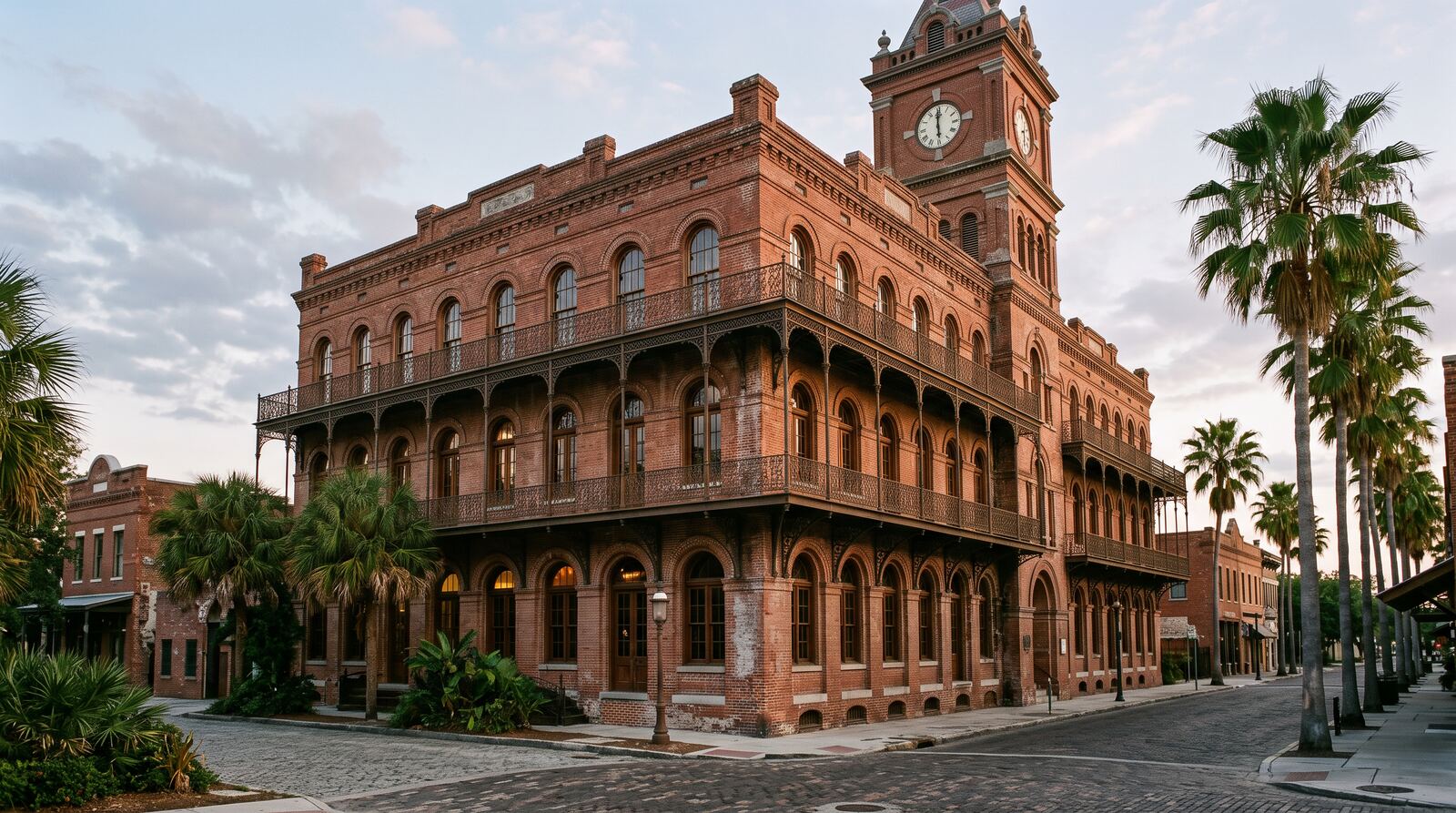
Cuban cigar makers brought the tradition to Key West and then to Tampa's Ybor City. There, lectors read in Spanish to Cuban, Spanish and Italian workers and became central to the community's cultural and political life. See Ybor City cigar history.
The 1931 Strike
Tensions came to a head during the Great Depression. After a strike by Ybor City cigar workers in 1931, the manufacturers removed the readers' platforms and banned lectors. The tradition never returned to the American cigar industry, and radios eventually took their place.
The Tradition in Cuba Today
In Cuba, lectors still read in many cigar factories, often using microphones and speakers, with a mix of news, books and sometimes requests from the workers. Cuba has recognized the lector as part of its national cultural heritage, and the tradition has been proposed for UNESCO's list of intangible cultural heritage.
A Day on the Platform
Lectors needed strong voices, good diction and a talent for performance; they read for hours, giving characters different voices and keeping listeners engaged. Workers showed approval by tapping their chavetas, the curved rolling knives, on their tables.
Why It Matters
The lector shows that the cigar is more than a product. It is part of a culture of craft, community and conversation. Few industries have created anything like it, and it remains one of the most humane traditions in the history of work.
Learning More
Historians of Ybor City and Cuban labor have written extensively about lectors, and museums in Tampa and Havana preserve their story. For the plant at the center of it all, read where did tobacco originate.
Frequently Asked Questions
What is a lector in a cigar factory?
A reader hired by cigar workers to read newspapers and books aloud while they roll.
When did the lector tradition begin?
In Cuba in 1865.
Who paid the lectors?
The workers themselves, each contributing part of their wages.
Why did lectors disappear in the U.S.?
Manufacturers removed them after the Ybor City cigar makers' strike of 1931.
Do lectors still exist?
Yes, in Cuba, where many cigar factories still have readers.