History Guide
Native American Tobacco: A Sacred Plant
For many Native American nations, tobacco is a sacred plant used in prayer, offering and ceremony, a tradition distinct from recreational commercial tobacco.
Updated · Cigars Americas Editorial Team
Read Ybor City History →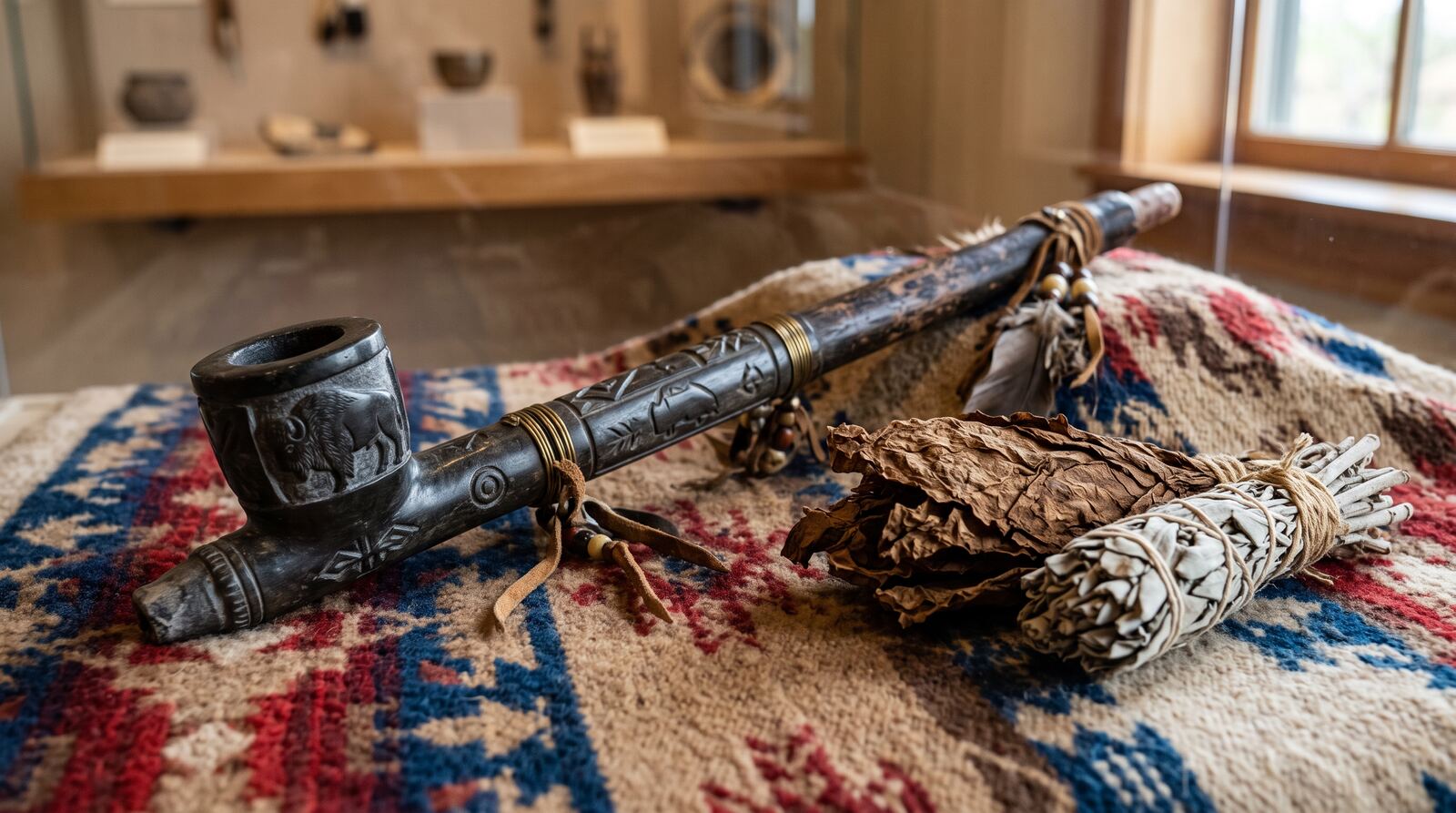
Long before cigars and cigarettes, tobacco held a central place in the spiritual and social life of many Indigenous peoples of the Americas. That relationship continues today. This page offers a respectful overview; traditions vary greatly between nations, and each community's own teachings are the authority on its practices.
Traditional Tobacco
Many Native nations use the term traditional tobacco to describe tobacco grown, harvested and used for ceremonial, medicinal and spiritual purposes. It is often Nicotiana rustica or other native species, sometimes mixed with other plants. Traditional tobacco is commonly offered rather than inhaled: placed on the earth, in water or in fire, given as a gift of respect, or smoked in a pipe as part of prayer.
A Plant of Prayer and Respect
In many traditions tobacco is understood as a gift from the Creator and a way of carrying prayers. It may be offered before harvesting a plant or hunting, given to an Elder when asking for guidance, or shared to seal an agreement. The pipe ceremony, found in many Plains and other nations, is one of the best-known examples, but practices are diverse and many are not meant to be shared publicly.
Tobacco Across the Continent
Tobacco was grown and traded across much of North America before European contact. Archaeologists have found tobacco seeds and stone and clay pipes at sites throughout the continent, showing a long and widespread tradition. Different nations developed their own varieties, mixtures and protocols.
Commercial vs. Traditional
Native health organizations draw a clear line between traditional tobacco and commercial tobacco: cigarettes, cigars and other manufactured products sold for recreational use. Many campaigns use the message "keep tobacco sacred," encouraging communities to honor traditional use while avoiding commercial products, which carry serious health risks and have contributed to high smoking rates in some communities.
Cultural Respect
Sacred objects and ceremonies are not costumes or marketing tools. The old "cigar store Indian" statues that once stood outside American tobacco shops are a reminder of how Native imagery was used to sell commercial tobacco. Today many people see them as stereotypes, and museums present them as artifacts of advertising history rather than accurate depictions.
Tobacco Rights and Law
U.S. law recognizes the importance of Native religious practices, and traditional tobacco use is generally treated differently from commercial tobacco sales. Laws vary by state and by tribe, and tribal nations set their own rules on their lands.
Growing Traditional Tobacco
Some communities have revived the growing of traditional tobacco from heritage seed, often through community gardens and youth programs. These projects connect people with ancestral knowledge and offer an alternative to commercial products in ceremony.
Learning More
The best sources on traditional tobacco are Native communities and organizations themselves, including tribal health programs and cultural centers. Many offer public information about traditional tobacco and the difference between sacred and commercial use.
The Bigger Story
Tobacco's journey from sacred plant to global commodity is one of the most dramatic stories in history. To see where it began, read where did tobacco originate; to see where it went, read about the factories of Ybor City.
Frequently Asked Questions
Is tobacco sacred to Native Americans?
For many Native nations, yes. Traditional tobacco is used in prayer, offering and ceremony.
What is traditional tobacco?
Tobacco grown and used for ceremonial, medicinal and spiritual purposes, as distinct from commercial tobacco products.
What tobacco species did Native Americans grow?
Nicotiana rustica was widely grown in North America, along with other native species.
What does 'keep tobacco sacred' mean?
A message used by Native health organizations to honor traditional tobacco while discouraging commercial tobacco use.
Are traditional practices the same across nations?
No. Practices vary widely, and each community's own teachings are the authority on its traditions.